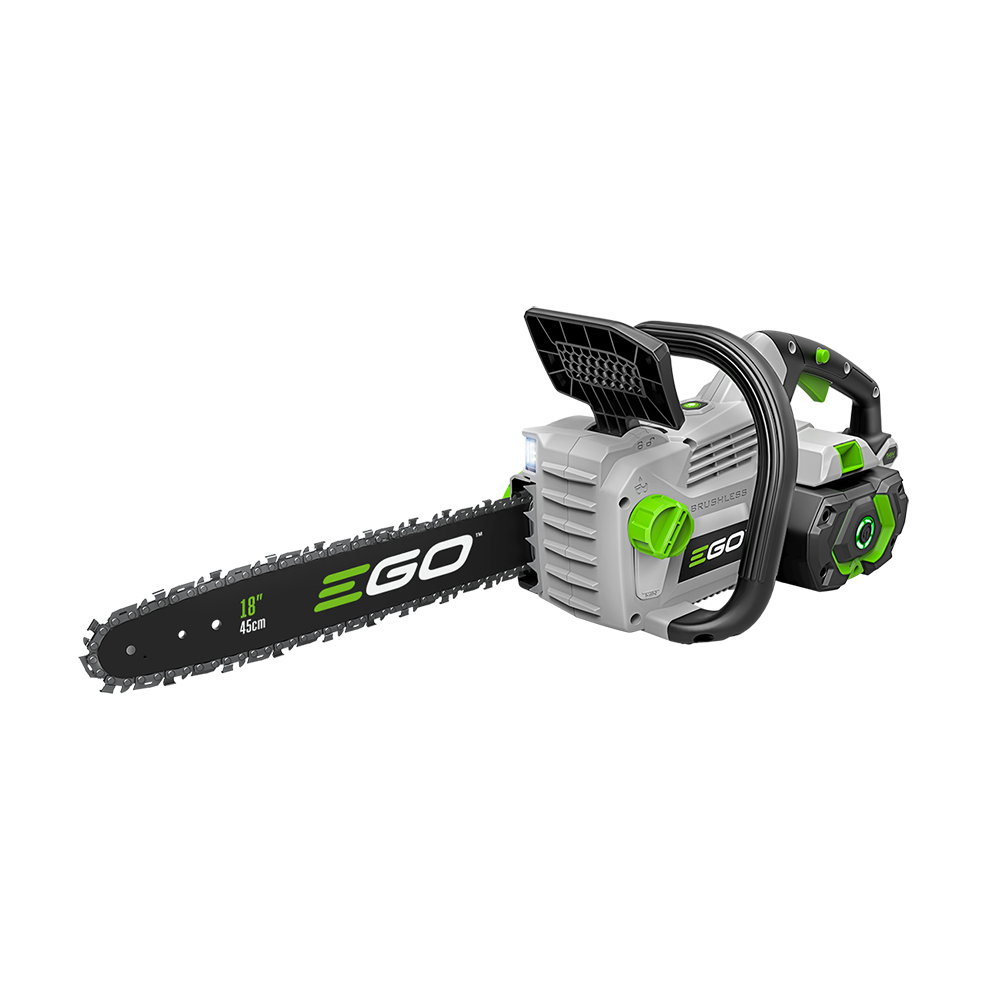
What Size Chainsaw Do I Need for My Tree?

Your chainsaw bar should be at least 2 inches longer than the diameter of the tree you're cutting. Enter your tree's measurements below and get the exact bar length you need, plus a matching chainsaw recommendation.

Measure straight across the trunk at chest height.

The Bar Length Rule, Explained

The "+2 inches" rule exists for safety and efficiency. When your bar extends past the far side of the trunk, the chain exits the cut cleanly instead of binding inside the wood. A bar that matches the exact diameter forces you to bury the entire cutting edge, which increases the risk of kickback and makes it harder to control the cut.

For a single-pass cut, you need a bar at least as long as the tree diameter. For a two-pass cut (cutting from both sides), you can get away with a bar that's at least half the diameter plus 2 inches. Two-pass cuts work but require more skill to align the cuts properly and take longer.

Standard Chainsaw Bar Lengths

Chainsaw bars come in standardized lengths. The calculator rounds up your measurement to the nearest available size.

Bar LengthMax Tree DiameterBest For
10-12"8-10"Pruning, limbing, small branches
14"12"Light property maintenance, camping
16"14"Storm cleanup, general homeowner use
18"16"Firewood, medium trees, most homeowner tasks
20"18"Large firewood, medium tree felling
24"22"Large tree felling, land clearing

Softwood vs. Hardwood: Why It Matters

Softwoods (pine, spruce, cedar, fir) have lower density and cut faster. A chainsaw moves through softwood roughly 30-50% faster than through hardwood of the same diameter. The bar length requirement stays the same, but you'll use less fuel or battery and put less wear on your chain.

Hardwoods (oak, maple, hickory, ash) demand more from your saw. The dense grain dulls chains faster and puts more strain on the engine or motor. For hardwood, use a semi-chisel chain: it stays sharper longer in dense wood, even though full-chisel chains cut slightly faster when sharp. Many experienced operators keep both chain types and swap based on the job.

How to Measure a Tree

Diameter (direct): Hold a ruler, tape measure, or yardstick flat against one side of the trunk at chest height (about 4.5 feet). Measure straight across to the opposite side. This is the diameter at breast height (DBH), the forestry standard.

Circumference (wrap): Wrap a flexible tape measure around the trunk at chest height. The calculator divides by pi (3.14159) to convert this to diameter. This method is easier for large trees where reaching across the trunk is impractical.

Tip: If the tree flares at the base, measure higher up where the trunk straightens out. Cutting at the flare requires a longer bar than cutting above it.

Not Sure Which Chainsaw to Buy?

Our Cut Calculator asks 4 quick questions and recommends the exact model for your job.

Try the Cut Calculator